Find Your Perfect Fit: How to Choose Sports Shoes That Boost Performance
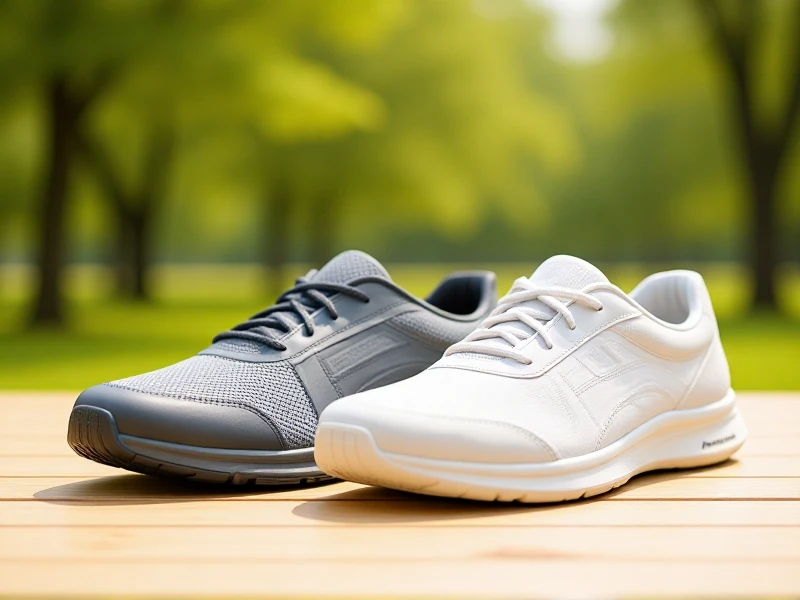
The right pair of sports shoes isn't just an accessory; it's fundamental athletic equipment. Your performance, comfort, and even injury prevention hinge significantly on choosing footwear specifically designed for your activities. With countless "sports shoes" flooding the market, navigating the options can feel overwhelming.
Understanding your primary activity is the crucial first step. Different sports place unique demands on your feet and shoes:
- Running: Requires exceptional cushioning to absorb repeated impact, stability for forward motion, breathability, and a secure fit. Road running shoes differ from trail shoes designed for rugged terrain.
- Basketball: Demands high-top or mid-top designs for ankle support during jumps and lateral movements, excellent traction for court surfaces, and responsive cushioning.
- Cross-Training/Gym: Calls for versatile shoes offering support for multidirectional movements (squats, lunges, agility drills), moderate cushioning, and a stable base. Dedicated lifting shoes have a hard, flat sole.
- Tennis/Squash: Needs shoes with a non-marking sole, supreme lateral stability to handle quick side-to-side motions, and durable toe guards.
- Walking: Focuses on comfort over long periods, good arch support, heel cushioning, and flexibility.
Key features define quality sports shoes:
- Cushioning: Essential for impact absorption. Levels vary – maximal cushioning for high mileage, responsive for speed, barefoot/minimalist for ground-feel.
- Support & Stability: Addresses overpronation (excessive inward roll) or underpronation (outward roll). Features include medial posts, arch support, and structured midsoles.
- Fit: This is NON-negotiable. Measure your feet regularly. There should be about a thumb's width (approx. 1/2 inch) between your longest toe and the shoe's end. The heel counter should hold your foot securely without slippage. Width is equally important.
- Breathability: Mesh uppers allow air circulation, keep feet cool, and prevent blisters.
- Traction & Outsole: The rubber pattern (lugs for trails, herringbone for courts, flat for grip) must match the playing surface for safety and performance.
Modern athletic footwear technology continuously evolves. Brands leverage advanced lightweight materials, develop proprietary foam compounds (like Adidas Boost, Nike ZoomX, Puma Nitro) for enhanced energy return, experiment with sustainable recycled components, and integrate biomechanics data into design.
Don't compromise on fit or specificity. Wearing running shoes for court sports risks ankle injury, inadequate cushioning leads to aches, and poor stability causes long-term alignment issues. Visit a reputable specialty retailer for advice, or thoroughly research shoe models catering to your exact sport and foot type online. Replace your sports shoes every 300-500 miles as cushioning materials break down over time, even if the sole looks intact. Invest in the right pair – your feet, performance, and overall athletic experience depend on it. Step up your game and walk, run, jump, or play with confidence!