The Ultimate Guide to Sports Shoes: Finding Your Perfect Fit and Performance Partner
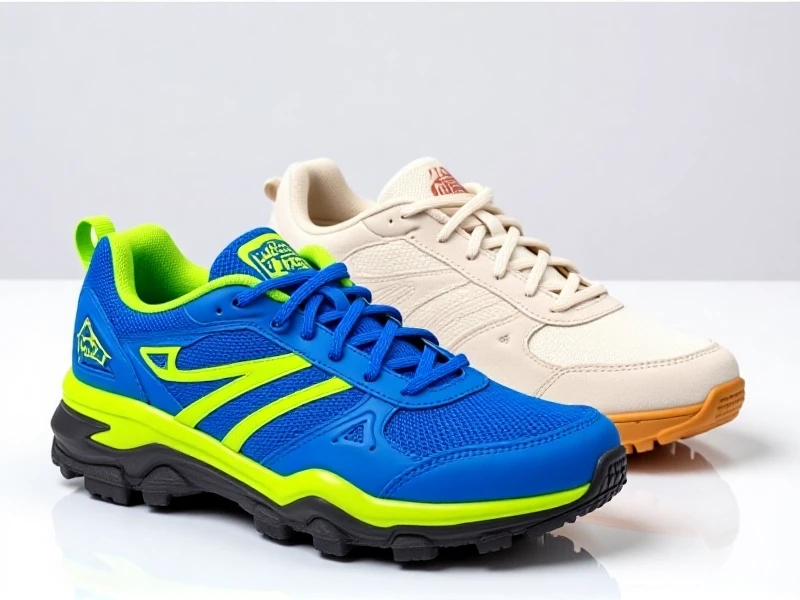
Stepping onto the court, hitting the trail, or pushing through the final mile – whatever your athletic pursuit, your foundation matters. Sports shoes are far more than just fashion statements; they're critical pieces of equipment engineered to enhance your performance, protect your body, and boost your confidence during every workout. Choosing the right pair isn't a luxury; it's an investment in your health and enjoyment.
Why the right sports shoes are non-negotiable:
- Injury Prevention: Well-fitted athletic shoes provide crucial support and shock absorption. They stabilize your foot during lateral movements, cushion the impact on joints from running or jumping, and help prevent common issues like shin splints, plantar fasciitis, and rolled ankles.
- Performance Enhancement: The right shoes feel like an extension of your body. Lightweight sports shoes allow for quicker movements, responsive midsoles generate explosive power, and superior traction grips surfaces securely, translating directly to better times, higher jumps, and sharper cuts.
- Comfort & Endurance: Discomfort derails even the best intentions. Properly cushioned and breathable footwear keeps your feet comfortable mile after mile or hour after hour in the gym, allowing you to focus on your goals, not foot fatigue or blisters.
- Activity-Specific Design: Basketball shoes prioritize ankle support and court grip. Running footwear emphasizes forward motion cushioning and lightness. Trail shoes demand aggressive outsoles and weather protection. Using sport-specific shoes ensures the technology works for your activity.
Key Factors When Choosing Your Perfect Pair
Forget the impulse buy. Selecting the best sports shoes requires careful consideration:
- Your Activity: This dictates the primary design needs. Running, training, court sports, hiking – each category demands specific features.
- Foot Type & Gait: Understand your arch (flat, neutral, high) and pronation pattern (how your foot rolls inward). Many specialty stores offer gait analysis. This knowledge guides you towards stability shoes, motion control, or neutral cushioning.
- Fit is Fundamental: Feet swell during activity. Aim for about a thumbnail's space between your longest toe and the shoe's end. The width should be snug without pinching, and your heel should lock securely.
- Terrain: Concrete, treadmill, natural trail, indoor court? The surface dictates tread pattern and durability requirements.
- Materials Matters: Look for breathable mesh uppers to keep feet cool and synthetic overlays for support. Quality midsoles (like EVA foam, polyurethane, or specialized gels/systems like Nike Air or Adidas Boost) provide critical cushioning and energy return. Outsoles made of durable carbon rubber last longer, while blown rubber is lighter and grippier.
Beyond the Basics: Expert Tips for Longevity
- Rotate Your Shoes: Don't wear the same pair consecutively. Giving them 24-48 hours to decompress extends the midsole's life.
- Know When to Replace: Even if the upper looks fine, the cushioning and support wear out. Most quality training shoes should be replaced every 300-500 miles of running or every 6-12 months of regular gym use.
- Socks Matter Too: Wear performance socks (synthetic blends or wool) that wick moisture and reduce friction, complementing your shoes' function.
Investing time in finding the right sports shoes pays dividends in performance, safety, and pure enjoyment. Don't compromise on your foundation. Your feet, your joints, and ultimately, your progress, depend on it. Explore the vast options available today and step into gear that propels you forward, comfortably and powerfully! Discover the perfect fit for your game at [Your Website Name]. Your knees will thank you.